In a monumental leap for longevity science, researchers have identified a critical protein capable of reversing the biological clock of the brain. The study, published this week in Science Advances, isolates the protein DMTF1 as a specific "molecular switch" that reactivates aging neural stem cells. By targeting this mechanism, scientists at the National University of Singapore (NUS Medicine) have successfully demonstrated how to restore the regenerative capacity of brain cells, offering a promising new path to reverse cognitive decline and combat neurodegenerative diseases.
The DMTF1 Protein: A Key to Neural Regeneration
For decades, neuroscientists have understood that the brain's ability to produce new neurons—a process called neurogenesis—significantly plummets with age. This decline is a primary driver of memory loss and reduced cognitive function in older adults. The breakthrough from NUS Medicine, led by Assistant Professor Ong Sek Tong Derrick and Dr. Liang Yajing, pinpoints the exact molecular culprit behind this deterioration.
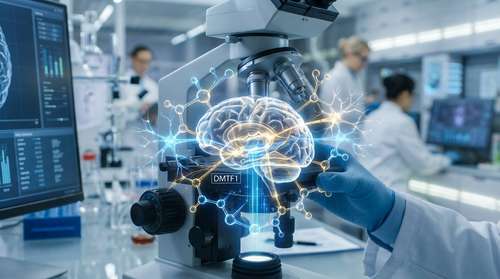
The team discovered that levels of the transcription factor DMTF1 (cyclin D-binding myb-like transcription factor 1) drop precipitously in aged neural stem cells. Through rigorous experimentation, they found that simply restoring DMTF1 levels was sufficient to "wake up" these dormant cells, effectively kickstarting the production of healthy new neurons. This finding marks a significant milestone in brain aging breakthrough 2026 news, shifting the narrative from merely slowing down aging to actively reversing it.
How the 'Molecular Switch' Works
The study delves deep into the genetic machinery of our brain cells. The researchers revealed that DMTF1 acts as a master regulator for a specific genetic program involving the SWI/SNF-E2F axis. In simpler terms, DMTF1 controls a set of "helper genes," specifically Arid2 and Ss18.
These helper genes are responsible for opening up tightly packed DNA (chromatin), allowing the cellular machinery to access and activate growth-related genes. When DMTF1 levels fall due to aging or telomere dysfunction, this access is shut off, and neural stem cells enter a state of dormancy. By artificially boosting DMTF1, the researchers were able to reopen these genetic pathways, restoring the cells' youthful ability to divide and regenerate. This mechanism suggests that DMTF1 protein brain aging interventions could be developed to maintain cognitive plasticity well into late adulthood.
Implications for Cognitive Health
The potential applications of this discovery are vast. Current treatments for conditions like Alzheimer’s and general age-related memory loss often focus on symptom management rather than root causes. This research suggests that by targeting the DMTF1 pathway, medical science could theoretically develop therapies that replenish the brain's stock of neurons.
"Understanding the mechanisms for neural stem cell regeneration provides a stronger foundation for studying age-related cognitive decline," noted Assistant Professor Ong. The ability to reactivate these cells could be the key to memory loss prevention and maintaining sharp executive function in aging populations.
Future of Longevity Science
While this study was conducted using human-derived neural stem cells and laboratory models, the implications for human health are immediate and profound. The pharmaceutical and biotech sectors are likely to pivot toward developing compounds that can safely elevate DMTF1 expression in the human brain.
As healthy aging news continues to dominate medical headlines in 2026, this discovery stands out because it offers a precise, druggable target. Unlike vague lifestyle advice, the modulation of DMTF1 represents a concrete biological lever that doctors may one day pull to restore mental acuity. Further research will focus on delivery methods and ensuring that reactivated stem cells integrate correctly into existing neural networks.
For now, the identification of DMTF1 offers a verified glimmer of hope: the aging brain is not a lost cause, but a system waiting to be rebooted.