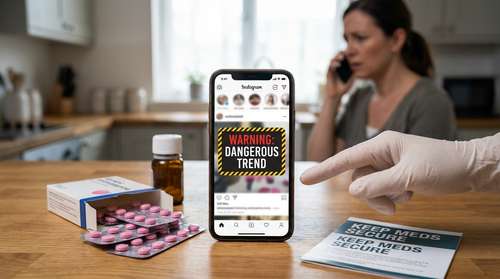
A devastating wave of recent tragedies has prompted an urgent Benadryl challenge warning for parents nationwide. Over the span of just two months, three adolescents in Connecticut have died from apparent overdoses of diphenhydramine, the active ingredient found in the common allergy medication Benadryl. While state health authorities have not officially confirmed a direct link, medical professionals and child advocates fear these fatalities may be tied to the dangerous resurgence of a viral social media dare.
CT Child Benadryl Overdose Deaths Prompt Urgent Advisory
The Connecticut Office of the Child Advocate (OCA) recently issued a statewide advisory following the grim discovery of the three fatalities. State Child Advocate Christina Ghio stressed that while the investigation into the exact circumstances is ongoing, the string of CT child Benadryl overdose deaths highlights a severe and growing risk to youths.
"We want parents to be aware that any medication, including prescription and non-prescription medication, is potentially dangerous to children of all ages," the OCA stated in their official alert. The agency urged immediate action to prevent further loss of life by securing home medicine cabinets.
Though officials have stopped short of confirming that a specific TikTok trend caused the fatalities, pediatricians point out that a spike in teen over the counter drug abuse often mirrors viral internet activity. The lethal challenge, which first gained notoriety during the early days of the pandemic in 2020, has reportedly begun circulating again on popular platforms, capturing the attention of impressionable youths looking for digital clout.
Understanding the Deadly 'Benadryl Challenge' Resurgence
The so-called "Benadryl Challenge" encourages teenagers to ingest massive, unsafe quantities of diphenhydramine to intentionally induce hallucinations. Participants are dared to fight off the heavy sedative effects of the antihistamine in order to experience a temporary, euphoric high, which they then film and post online for views.
Because Benadryl is easily accessible at nearly any pharmacy, convenience store, or grocery store, many adolescents operate under the false assumption that it is entirely harmless. However, doctors emphasize that the gap between a therapeutic dose and a toxic one is startlingly narrow, especially for young, developing bodies. This pediatric Benadryl alert serves as a stark reminder that over-the-counter availability does not equate to safety when a product is abused intentionally.
Spotting Diphenhydramine Overdose Symptoms in Children
Recognizing a medical emergency before it turns fatal is critical. The U.S. Food and Drug Administration (FDA) has repeatedly warned that exceeding the recommended dosage of diphenhydramine can lead to devastating health crises.
If you suspect your child has ingested an unsafe amount of this medication, immediate medical intervention is required. Common diphenhydramine overdose symptoms in children include:
- Extreme agitation and severe confusion
- Dangerously rapid heart rate (tachycardia)
- Dilated pupils and blurred or double vision
- Life-threatening seizures
- Cardiovascular failure
- Loss of consciousness or slipping into a coma
"You can get a lot of things, seizures, and cardiovascular effects; those sorts of things can cause death in patients overdosing on Benadryl," Dr. Gary Soffer, a pediatric allergist with Yale Medicine, recently explained to reporters. Parents should never wait to see if symptoms resolve on their own. If an overdose is suspected, call 911 or the National Poison Control Center immediately.
Actionable Safety: How to Safely Store Household Medication
To mitigate the risk of accidental poisoning or intentional misuse, health officials are pleading with families to change how they manage their medicine cabinets. Learning how to safely store household medication is one of the most effective lines of defense against these viral trends.
Medical professionals recommend taking the following proactive steps today:
- Lock It Up: Store all medications, including basic pain relievers, cough syrups, and allergy pills, in a locked cabinet or lockbox rather than a standard bathroom drawer.
- Keep It Out of Sight: If a lockbox isn't immediately feasible, ensure medications are placed high up, completely out of reach and sight of younger kids and teenagers.
- Switch to Safer Alternatives: Doctors note that older, first-generation antihistamines like Benadryl are no longer the frontline choice for everyday allergies. Consider swapping to second-generation alternatives like Zyrtec, Claritin, or Allegra, which carry a significantly lower risk of severe side effects, drowsiness, and potential for abuse.
Having the Difficult Conversation With Your Kids
Securing your cabinets is only half the battle. Experts urge parents to initiate honest, direct conversations with their children about the lethal reality of internet dares. Explain that viral videos often hide the catastrophic consequences of these stunts—the hospitalizations, the permanent organ damage, and the grieving families left behind.
By speaking openly about the risks of medication misuse, you equip your children with the critical thinking skills needed to reject dangerous peer pressure. In an era where digital influence can turn deadly in an instant, staying informed and engaged is the ultimate safeguard for your family's health.