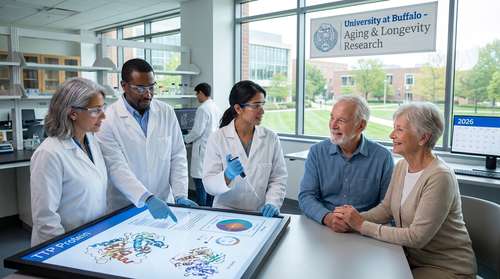
In a landmark discovery released on February 10, 2026, researchers at the University at Buffalo have identified a potential biological "reset button" for physical aging. The groundbreaking study reveals that a specific RNA-binding protein called tristetraprolin (TTP) can effectively reverse the debilitating effects of "inflammaging"—the chronic, low-grade inflammation that drives physical frailty in seniors. This finding marks a significant leap forward in healthy aging breakthroughs 2026, offering hope for therapies that don't just extend lifespan, but radically improve the quality of life for the elderly.
The 'Brake' on Aging: How TTP Works
For decades, scientists have understood that aging is accompanied by a slow-burning fire within the immune system, a phenomenon known as inflammaging. This chronic state degrades muscle, weakens bone, and blunts the body's ability to repair itself. The new research, led by Dr. Keith Kirkwood, Centennial Endowed Chair in the Department of Oral Biology at the University at Buffalo, identifies TTP as the body's natural fire extinguisher.
"Think of TTP as a brake on the immune system," Dr. Kirkwood explained in a statement surrounding the study's release. "When it functions correctly, it rapidly degrades the messenger RNA (mRNA) that produces inflammatory signals. But as we age, this braking system fails." The study found that in elderly subjects, TTP levels drop precipitously, allowing inflammatory cytokines to run rampant and cause the tissue damage associated with physical decline.
Reversing Frailty: Key Findings from the UB Study
The University at Buffalo aging study went beyond mere observation. In a series of experiments detailed in the journal Aging and Disease, the research team genetically stabilized TTP in a group of elderly mice to prevent its natural decline. The results were nothing short of transformative.
The elderly subjects with stabilized TTP levels demonstrated profound physical improvements compared to their control counterparts, effectively reversing physical frailty markers:
- Grip Strength: The treated group showed significantly stronger muscle grasp, a primary indicator of overall vitality in seniors.
- Walking Endurance: Mobility and stamina improved drastically, mirroring the physical capabilities of much younger subjects.
- Immune Resilience: The chronic inflammatory markers usually seen in advanced age were suppressed, restoring a more youthful immune profile.
A New Frontier for Senior Immune Health
One of the most critical aspects of this discovery is its impact on senior immune health. By controlling the expression of inflammatory genes at the cellular level, TTP restoration didn't just build muscle; it protected bone density and reduced the systemic stress that leads to age-related diseases. This dual action suggests that future TTP protein anti-aging therapies could simultaneously treat osteoporosis, sarcopenia (muscle loss), and immunosenescence.
From Lifespan to Healthspan
As we navigate the landscape of longevity research news in 2026, the focus has shifted from simply keeping people alive longer to ensuring those extra years are healthy—a concept known as "healthspan." This study is pivotal because it targets the underlying mechanism of frailty rather than just treating its symptoms.
"We are looking at a future where being 80 doesn't necessarily mean being frail," says Dr. Bruce Troen, a geriatric expert and co-author of the study. By targeting the root cause of cellular inflammation, scientists are paving the way for treatments that could allow seniors to maintain the physical independence of a 50-year-old well into their later decades.
What's Next for TTP Research?
While the current results are based on preclinical models, the implications for human health are immense. The research team is now looking toward developing pharmacological agents that can mimic the TTP stabilization effect in humans. If successful, this could lead to a new class of drugs designed specifically to combat inflammaging, potentially hitting the market within the next decade.
For now, this discovery stands as one of the most promising healthy aging breakthroughs of 2026, proving that while aging is inevitable, the physical decline that comes with it might soon be optional.