U.S. hospitals are facing a relentless winter surge as a new, evasive flu variant complicates an already difficult respiratory virus season. Federal health officials confirmed on Friday, January 9, that the nation is in the grip of a "triple threat" scenario, with influenza, COVID-19, and RSV simultaneously driving hospital admissions to their highest levels since the start of the decade. The primary culprit is the H3N2 subclade K variant, a mutated flu strain that has rapidly become dominant and is largely bypassing the defenses of this year's seasonal vaccine.
H3N2 Subclade K Variant Fuels "Super Flu" Fears
According to the Centers for Disease Control and Prevention (CDC) update released yesterday, the H3N2 subclade K variant now accounts for over 90% of all analyzed H3N2 samples. This specific strain has undergone a significant genetic "drift," altering the surface proteins that the virus uses to enter human cells. Unfortunately, these mutations occurred after the 2025-2026 flu vaccine formulation was locked in last spring, leading to a frustrating flu vaccine mismatch 2026.
While some media outlets have dubbed this the "Super Flu," infectious disease experts are calling for precision, not panic. "It isn't that the virus is inherently more deadly," explains Dr. Sarah Jenkins, a virologist at the National Institute of Allergy and Infectious Diseases. "The issue is evasion. Because the virus looks different to our immune systems, even vaccinated individuals are seeing breakthrough infections at higher rates than we've seen in nearly a decade."
The numbers are stark. The CDC estimates that as of this week, there have been at least 15 million flu illnesses, 180,000 hospitalizations, and 7,400 deaths nationwide. The hospitalization rate for seniors—who are historically most vulnerable to H3N2 strains—has nearly doubled in the last three weeks alone.
The Reality of the Vaccine Mismatch
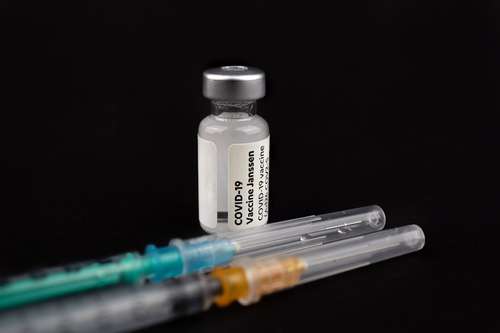
The confirmation of a vaccine mismatch has left many Americans wondering about their protection levels. Early data from the UK and U.S. suggests the current shot is providing approximately 30-40% protection against symptomatic infection for adults, lower than the typical 50-60% seen in well-matched years. However, officials emphasize that the vaccine remains a critical firewall against the worst outcomes.
"Do not skip the shot because of the headlines," urges CDC Director Dr. Mandy Cohen. "While it may not stop every case of the sniffles this year, our data shows it is still preventing about 70-75% of hospitalizations in children and significantly reducing ICU admissions among the elderly. It turns a potential tragedy into a manageable illness."
Antivirals Remain Effective
One bright spot in the winter respiratory virus update is that the H3N2 subclade K variant remains fully susceptible to standard antiviral treatments. Drugs like Tamiflu (oseltamivir) are effective if taken within the first 48 hours of symptom onset. With the 2026 flu season peak expected to hit later this month, swift testing and treatment have become the new frontline defense.
Hospitals Strain Under Triple Threat Virus 2026
The flu is not acting alone. The COVID and flu surge 2026 is being compounded by a steady rise in RSV cases, creating a perfect storm for healthcare systems. While COVID-19 is no longer the singular emergency it once was, a new Omicron sub-lineage is causing a moderate wave of reinfections. Hospitalizations for COVID-19 jumped 12% in the last week, primarily affecting the unvaccinated and immunocompromised.
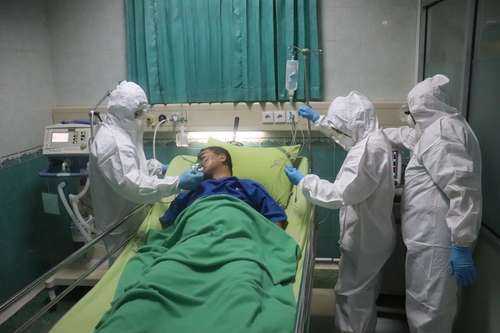
Simultaneously, RSV hospitalizations January 2026 are trending high, particularly among infants and toddlers. Pediatric ICUs in regions like the Northeast and Midwest are reporting near-capacity status. "We are playing Tetris with beds right now," says Dr. Michael Chen, an emergency room physician in Chicago. "Between the flu pneumonia in seniors and the RSV bronchiolitis in babies, we have nowhere to put the influx of patients."
This triple threat virus 2026 dynamic is forcing some hospital networks to reactivate overflow protocols not seen since 2022. Elective surgeries are being postponed in hard-hit states to preserve staff and bed availability for respiratory admissions.
Navigating the Rest of the Season
With weeks of high viral activity still ahead, health officials are recommending a return to "common sense" precautions. This includes staying home when sick, considering masks in crowded indoor spaces, and ensuring ventilation where possible. For those who haven't yet received their updated COVID-19 booster or flu shot, the message remains that late is better than never.
The emergence of the H3N2 subclade K variant serves as a reminder of nature's unpredictability. As the U.S. navigates this challenging viral landscape, the focus remains on protecting the most vulnerable and keeping the healthcare system afloat through what promises to be a grueling finish to the winter season.