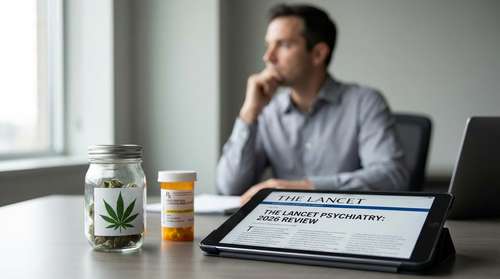
The therapeutic landscape of psychiatry has been deeply shaken this week. In what is being hailed as the most comprehensive evaluation to date, a landmark medicinal cannabis study 2026 published in The Lancet Psychiatry has entirely dismantled the widespread belief that cannabis can cure common psychiatric conditions. With millions of patients relying on cannabinoids, this sweeping analysis brings startling revelations to the forefront of healthvot mental health news, warning that routine use might not just be ineffective, but actively harmful.
The Groundbreaking Medicinal Cannabis Study 2026 Explained
For decades, public enthusiasm has rapidly outpaced rigorous scientific evidence. To bridge this gap, a team of researchers led by Dr. Jack Wilson at the University of Sydney's Matilda Centre for Research in Mental Health and Substance Use conducted the largest-ever systematic review and meta-analysis on the topic. Analyzing 54 randomized controlled trials published over a 45-year span between 1980 and 2025, researchers evaluated clinical data from 2,477 participants.
The results, released in mid-March 2026, were definitive. Despite widespread anecdotal claims, the scientific data showed an overwhelming lack of efficacy across the board. This rigorous review directly challenges the booming industry of cannabinoid-based therapeutics, prompting major medical bodies to demand stronger regulatory oversight and more stringent clinical guidelines.
Dissecting the Findings: Marijuana for Anxiety Effectiveness
Anxiety is consistently cited as one of the primary reasons individuals turn to cannabis products. In the United States and Canada alone, approximately 27 percent of people aged 16 to 65 report using cannabis for medical purposes, with roughly half doing so specifically to manage their mental well-being.
However, when researchers specifically scrutinized marijuana for anxiety effectiveness, the data fell alarmingly short. The comprehensive review found zero robust evidence supporting the use of tetrahydrocannabinol (THC) or cannabidiol (CBD) products to sustainably treat or relieve clinical anxiety. Instead of offering a cure, unmonitored use can exacerbate baseline anxiety levels, leaving vulnerable patients without the professional interventions they truly need.
What The Lancet Cannabis PTSD Study Revealed
The findings were similarly bleak for trauma survivors. The Lancet cannabis PTSD study component of the analysis looked closely at individuals suffering from post-traumatic stress disorder. Historically, many advocacy groups have pushed for broad cannabis access for veterans and trauma patients. Yet, Dr. Wilson's systematic review proved that cannabinoids do not provide clinically significant relief for PTSD symptoms. By relying on these products, patients may experience a false sense of temporary numbing rather than engaging in actual psychological processing and healing.
Weighing Cannabis Mental Health Risks Against Perceived Benefits
Perhaps the most concerning aspect of the newly published data revolves around direct harm. The cannabis mental health risks associated with routine, unsupervised use are severe and multifaceted.
Dr. Wilson explicitly noted that relying on cannabis for psychiatric relief can do vastly more damage than good. Routine use is firmly linked to several dangerous outcomes:
- A significantly higher risk of experiencing psychotic symptoms.
- The development of severe cannabis use disorder or chemical dependency.
- A dangerous delay in seeking out and adopting clinically proven, evidence-based psychological therapies.
While the study did identify very low-quality evidence suggesting minor benefits for isolated conditions—such as insomnia, autism spectrum disorder symptoms, and Tourette's syndrome—the researchers emphasized that the overall quality of this evidence remains incredibly weak. Without robust medical support, prescribing cannabis for these specific conditions is rarely justified.
The Future of Medical Marijuana for Depression 2026
Given these definitive findings, the narrative surrounding medical marijuana for depression 2026 is rapidly shifting. For years, dispensaries and wellness clinics have heavily marketed specific strains and CBD tinctures as natural mood enhancers. The Lancet's rigorous breakdown proves that treating major depressive disorder with cannabinoids is simply unsupported by controlled clinical trials.
Major medical associations are already responding to this harsh reality. Regulatory bodies are advocating for an immediate return to evidence-based medicine, warning that cannabis must not displace proven therapies like cognitive behavioral therapy (CBT) or heavily tested antidepressants. Patients currently using cannabis for depression are being strongly urged to consult with their primary healthcare providers to transition toward safer, scientifically validated care pathways.
Regulatory Backlash and Industry Impact
The rapid, unchecked expansion of the medical cannabis industry has raised widespread alarm bells among major medical institutions. The Australian Medical Association (AMA), reacting directly to the findings this week, noted that physicians are increasingly reporting serious adverse outcomes for patients self-medicating with cannabis. Consequently, the push to subject cannabis products to the exact same rigorous clinical standards as traditional pharmaceuticals is gaining unprecedented momentum. As lawmakers and health agencies worldwide absorb the implications of this massive review, tighter restrictions on how cannabis is marketed to psychiatric patients are virtually inevitable.
Shifting Psychiatric Treatment Trends 2026
As the global medical community digests this monumental review, psychiatric treatment trends 2026 are pivoting sharply away from unregulated cannabinoid prescriptions. We are witnessing a renewed, uncompromising focus on rigorous safety, quality, and efficacy trials for any compound marketed for mental health.
The era of automatically assuming that a "natural" plant equates to a safe and effective psychiatric intervention is facing intense scientific pushback. Moving forward, clinicians are expected to implement much stricter prescribing safeguards, ensuring that vulnerable populations receive treatments that heal rather than hinder. Stay tuned to our ongoing healthvot mental health news coverage as we continue tracking the regulatory fallout and the broader implications for patient care worldwide.