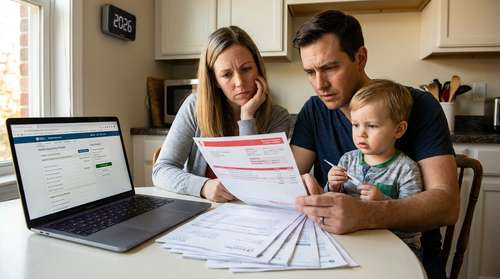
Millions of Americans braced for the financial blow of the health insurance subsidy expiration 2026, but the reality of the aftermath is proving far harsher than anticipated. When the enhanced Affordable Care Act (ACA) premium tax credits—originally expanded under the Inflation Reduction Act—officially expired on December 31, 2025, premium costs surged by an estimated 114 percent. To maintain critical health coverage, a record number of parents migrated into high-deductible health plans for families. Now, just four months into the year, the consequences of that massive shift are becoming painfully clear.
As of April 13, 2026, recent economic reports reveal a troubling trend: parents are hitting their deductible limits months earlier than projected. This rapid acceleration is creating a dangerous "care gap" across the country, fundamentally discouraging families from seeking essential pediatric services and routine wellness visits for their children.
The Crushing Weight of Out of Pocket Medical Costs 2026
The transition to health insurance for families 2026 has been defined by extreme sticker shock. Under the latest Internal Revenue Service guidelines, the maximum out-of-pocket limit for family HDHPs climbed to an astonishing $17,000 for the 2026 plan year, with the minimum family deductible sitting at $3,400. While these specific plan designs offer lower monthly premiums, the upfront burden means parents must pay entirely out-of-pocket for sick visits, specialist referrals, and non-preventive medications until that high deductible is finally met.
Health economists tracking the fallout of the subsidy expiration have noted that a single unexpected emergency room visit or a prolonged bout of winter respiratory viruses can financially wipe out a household. Families who expected to stretch their medical budgets over twelve months are finding their bank accounts drained by early spring. Instead of utilizing their hard-won insurance, parents are making agonizing choices about which child gets to see a doctor when symptoms arise, and which ailments simply have to be managed at home.
Navigating HDHP for Pediatric Care Without Compromise
Pediatricians are sounding the alarm over abruptly skipped appointments. While federal law dictates that preventive services like annual well-child exams and standard immunizations remain fully covered without cost-sharing, any diagnostic tests or sick-child visits trigger the deductible. Navigating HDHP for pediatric care requires parents to aggressively advocate for billing clarity from their providers. Experts suggest asking pediatricians if a diagnostic code can be bundled with a preventive visit, or requesting cash-pay discounts for acute illnesses, which are sometimes considerably cheaper than the insurance-negotiated deductible rates.
Managing chronic conditions presents another major hurdle. Parents of children with asthma or severe allergies are discovering that life-saving inhalers and EpiPens consume their health funds within weeks. Shopping around at different local pharmacies and utilizing manufacturer discount programs is no longer optional; it is a vital survival tactic.
Essential Affordable Family Healthcare Tips
With high-deductible health plans for families acting as the new baseline for millions, surviving the year requires strategic financial maneuvering. One of the most effective affordable family healthcare tips is maximizing a Health Savings Account (HSA). For 2026, families can contribute up to $8,750 pre-tax to an HSA. These funds roll over year to year and provide a critical buffer against sudden medical events. Even small, consistent contributions from every paycheck can mitigate the blow of unexpected pediatric bills.
Additionally, telemedicine has emerged as an indispensable cost-saving tool. Many HDHPs negotiate lower flat rates for virtual care compared to in-person clinical visits. Treating minor, easily identifiable ailments like pink eye, seasonal allergies, or mild rashes via telehealth can save hundreds of dollars while still providing young patients with immediate, professional medical attention.
Finding Medical Debt Assistance for Parents
For those already crushed by the $17,000 out-of-pocket ceiling, retroactive strategies are necessary. Hospitals and large pediatric clinics are legally required to maintain financial assistance policies, often called charity care programs. Because out of pocket medical costs 2026 have pushed so many moderate-income households to the financial brink, income eligibility brackets for these programs have quietly expanded in several states to accommodate the influx of underinsured patients.
Securing medical debt assistance for parents often starts by contacting the healthcare provider's billing department directly before an unpaid bill goes to collections. Many institutions will establish zero-interest payment plans or forgive a portion of the balance if the family can demonstrate financial hardship directly tied to the recent loss of federal premium subsidies. Patient advocacy groups also recommend working with independent medical billing advocates who can audit hospital invoices for accidental upcharging.
The Future of Family Health Coverage
Unless lawmakers intervene to restore the enhanced marketplace tax credits, the reliance on high-deductible coverage will only deepen. Employers and independent marketplace shoppers alike are severely constrained by rising administrative costs and broader healthcare inflation. Until systemic relief arrives, understanding the fine print of high-deductible health plans for families remains the only viable defense against mounting debt.
Parents must review their explanation of benefits meticulously, challenge incorrect medical coding, and utilize community health resources whenever possible. The 2026 healthcare landscape is undeniably unforgiving, but informed and proactive patients can still protect both their financial stability and their children's long-term well-being.