In a historic move for mental health care, the U.S. Food and Drug Administration (FDA) has officially cleared the Flow FL-100, the first-ever FDA approved depression headset designed for at-home use. This groundbreaking decision, finalized earlier this week, marks a pivotal shift in how major depressive disorder (MDD) is treated, moving beyond traditional pharmaceuticals to offer a high-efficacy, non-drug alternative. With clinical trials reporting that 58% of users achieved full remission, this device is poised to revolutionize the mental health technology landscape in 2026.
The Flow FL-100: A Game-Changer for Depression Treatment
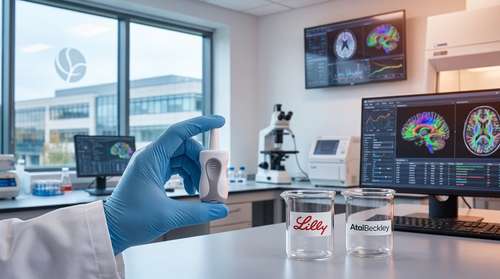
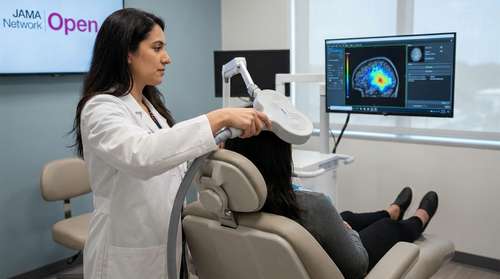
The approval of the Flow FL-100 represents a watershed moment for the millions of Americans struggling with depression. Unlike previous brain stimulation therapies that required daily visits to a clinic, this at-home brain stimulation device allows patients to receive hospital-grade treatment from the comfort of their living rooms. The headset utilizes transcranial Direct Current Stimulation (tDCS), a non-invasive technology that delivers a gentle electrical signal to the dorsolateral prefrontal cortex—the area of the brain often underactive in people with depression.
"This is the first step in moving from purely pharmaceutical treatments to accessible, tech-based therapies with minimal side effects," stated Erin Lee, CEO of Flow Neuroscience. For patients who have found little relief from antidepressants or who suffer from debilitating side effects like weight gain or insomnia, the Flow FL-100 offers a new lifeline. The device is cleared for use as a standalone treatment or in conjunction with existing medication, giving psychiatrists a versatile new tool in their arsenal.
Clinical Breakthrough: 58% Remission Rate
The FDA's green light was heavily influenced by results from a pivotal double-blind, randomized controlled trial published in Nature Medicine. The data was compelling: after ten weeks of using the headset, 58% of participants achieved full remission. This success rate is comparable to, and in some metrics exceeds, the efficacy of the most common antidepressants currently on the market. Furthermore, the study highlighted that users experienced improvement in their symptoms within just three weeks—significantly faster than the six to eight weeks typically required for SSRIs to take effect.
How tDCS for Depression Works
The science behind tDCS for depression focuses on neuroplasticity. By delivering a weak, direct electrical current (2 mA) to the forehead, the FL-100 encourages neurons in the frontal lobe to fire more readily. This activity helps rebalance the brain's emotional regulation centers. Unlike Electroconvulsive Therapy (ECT), which induces seizures and requires anesthesia, tDCS is painless. Users generally report only a mild tingling sensation on the scalp during the 30-minute sessions.
What Patients Can Expect: Cost and Availability
With the regulatory hurdles cleared, the question on everyone's mind is availability. Flow Neuroscience has announced a U.S. commercial launch slated for Q2 2026. The estimated price point is expected to land between $500 and $800, making it a relatively affordable option compared to recurring therapy costs or long-term medication co-pays. The company is actively in talks with major insurance providers to secure coverage, arguing that the one-time device cost is significantly lower than the lifetime cost of treating chronic major depressive disorder treatments.
Patients will need a prescription to access the device. Once prescribed, the treatment protocol involves five 30-minute sessions per week for the first three weeks, followed by a maintenance schedule of two to three sessions weekly. The headset pairs with a behavior therapy app that provides lifestyle guidance, ensuring a holistic approach to recovery.
The Future of Non-Drug Depression Treatment
The arrival of the Flow FL-100 signals a broader trend in mental health technology 2026: the democratization of advanced medical care. By putting clinical-grade tools directly into the hands of patients, the healthcare industry is addressing a critical bottleneck—access. With over 21 million American adults affecting by major depression, the capacity of clinics has long been overwhelmed. Non-drug depression treatment options that are safe, effective, and scalable are no longer just a futuristic concept; they are a regulatory reality.
As we move further into 2026, the success of the Flow headset could pave the way for similar at-home devices targeting anxiety, PTSD, and insomnia. For now, however, the spotlight remains firmly on this electric headband that promises to turn the tide on the depression epidemic.