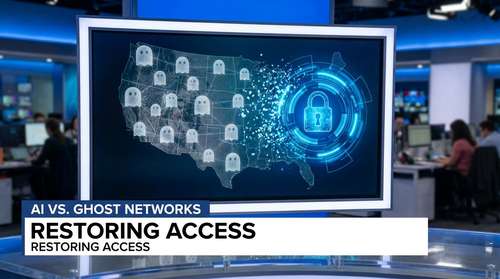
If you have spent hours calling down a list of in-network therapists only to reach disconnected numbers, full practices, or clinicians who retired years ago, you have experienced the frustrating reality of a phantom directory. This widespread crisis, known as ghost networks mental health systems struggle with, creates an illusion of available care while leaving millions stranded. On April 14, 2026, a leading national managed behavioral health organization announced a massive step toward eliminating this problem, deploying a continuous AI-driven intelligence platform to clean up directories and finally secure actual mental health care access for patients.
The Hidden Barrier to Treatment
The behavioral health access crisis runs far deeper than a nationwide workforce shortage; it is fundamentally a massive data failure. Currently, 137 million Americans live in designated Mental Health Professional Shortage Areas, yet even those with comprehensive insurance coverage face impossible hurdles. Federal investigators recently revealed that an astounding 55% of providers listed in Medicare Advantage behavioral directories are inactive or completely unreachable. A prior Senate Finance Committee secret shopper study found that up to 80% of provider listings across major plans were inaccurate.
When someone is in crisis, making five unanswered calls is not merely an administrative annoyance—it is a critical safety risk. This system failure aggressively undermines mental health insurance parity laws, which were designed to ensure equal access to psychiatric and medical benefits. Instead, health plans have historically relied on paper compliance, maintaining inflated behavioral health provider directories that check regulatory boxes but offer no real clinical value to members desperately trying to secure care. Beyond the clinical danger, ghost networks impose severe financial damage. Patients unable to find an in-network provider are frequently forced to seek out-of-network care, accumulating thousands of dollars in unexpected, out-of-pocket expenses. Furthermore, these inaccurate listings harm the clinical workforce. Active therapists routinely field frustrated calls from misdirected individuals, draining administrative resources and creating widespread distrust in the system.
How AI in Behavioral Health is Fixing the Data Crisis
To combat this systemic failure, the unnamed national health plan has integrated the HiLabs MCheck NetworkIQ platform. This deployment marks a pivotal shift in how the industry approaches network adequacy. Instead of relying on manual, reactive updates or waiting for a quarterly audit, the system uses continuous AI in behavioral health data monitoring to validate listings in real time.
This technology fundamentally changes directory management by:
- Verifying active status: Continuously checking if clinicians are genuinely reachable and actively accepting new patients.
- Correcting contact data: Cross-referencing vast amounts of data to update phone numbers and practice locations instantly.
- Monitoring network shifts: Flagging doctors who have dropped out-of-network before patients try to book them.
This eliminates ghost providers before they trigger regulatory fines or patient grievances. The focus has rapidly shifted from maintaining a massive list of names to guaranteeing true network adequacy, where every listed professional represents a tangible avenue for treatment.
Closing the Gap for Marginalized Patients
Inaccurate data hits vulnerable populations the hardest. Patients seeking specialized psychiatric intervention often lack the energy to navigate endless administrative roadblocks. When directory listings are validated instantly through machine learning, individuals no longer waste crucial weeks tracking down a doctor. The deployment of this new technology means patients can confidently locate and book appointments with practitioners who are ready to help them immediately.
Meeting Strict Health Insurance Regulation 2026 Standards
The regulatory landscape has shifted aggressively against phantom networks. In recent years, both federal and state authorities have intensified their scrutiny, issuing multi-million dollar penalties to insurers whose networks look robust on paper but fail in practice. Regulators recognize that you cannot have true parity if patients are forced out-of-network to secure basic psychiatric support.
Under new health insurance regulation 2026 guidelines, alongside state insurance commissioners, authorities are holding payers to unprecedented evidentiary standards. Legislative momentum is firmly backing this technological overhaul; in 2025 alone, 29 states enacted 75 bills addressing mental health coverage mandates and parity requirements. Advocacy groups and professional medical associations have even taken to the courts, suing major insurers over deceptive directories. This mounting legal and financial pressure makes the adoption of AI-powered validation not just an operational upgrade, but a strict necessity for organizational survival. Health organizations can no longer afford to discover access gaps during an active audit. By deploying advanced automated platforms, insurers are now forced to proactively correct network deficiencies, ensuring their operations are both legally defensible and genuinely competitive.
What This Means for Finding a Therapist
For the average American, the deployment of directory-scrubbing AI translates directly to a smoother, safer medical journey. Finding a therapist will no longer feel like a part-time job filled with dead ends. When an insurance portal indicates a psychiatrist is accepting new patients within a five-mile radius, that information will actually be trustworthy.
The days of tolerating dirty provider data as an industry norm are rapidly ending. By treating directory accuracy as a core component of patient care rather than a back-office chore, the healthcare sector is finally addressing the logistical nightmares that have kept millions from getting the help they need. Real access to treatment requires a network that works in reality, not just on a spreadsheet.