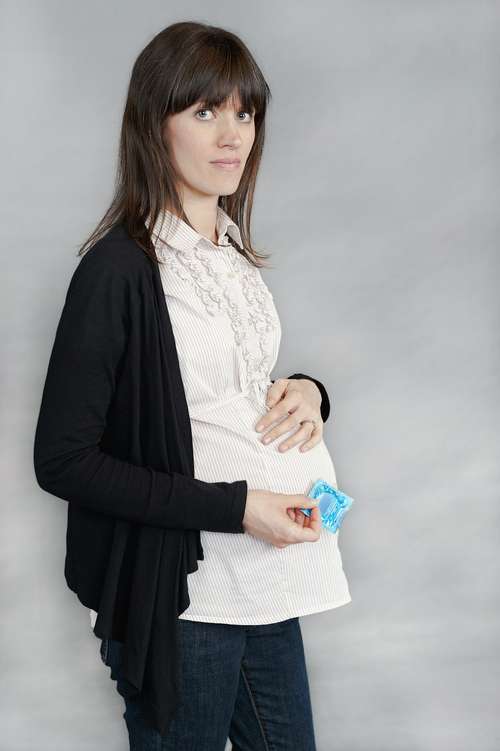
A landmark study published on January 14, 2026, by the American Heart Association (AHA) has issued a stark warning regarding the maternal health crisis: pregnancy high blood pressure now affects nearly 14% of expectant mothers in the United States—translating to roughly 1 in 7 pregnancies. The research, appearing in the Journal of the American Heart Association, challenges long-held medical assumptions by revealing massive disparities within ethnic subgroups that were previously overlooked.
For decades, broad statistical categories have masked the true danger facing specific communities. This new analysis highlights how aggregating diverse populations—specifically Asian American, Native Hawaiian, and Pacific Islander individuals—into a single demographic group has obscured critical risks. With cardiovascular disease remaining the leading cause of maternal mortality, these findings call for an immediate overhaul of prenatal care guidelines to save lives.
Breaking Down the Data: The Myth of the "Low-Risk" Group
The study, led by researchers from Stanford University, analyzed health records from thousands of pregnancies to dig deeper than standard racial categories. While Asian Americans have historically been categorized as having a lower risk for hypertensive disorders compared to other groups, the granular data tells a drastically different story.
According to the findings, the risk of developing gestational hypertension or preeclampsia varies by as much as 300% depending on specific ancestry. The study established the following critical disparities:
- Highest Risk: Guamanian (13.0%), Filipino, and other Pacific Islander individuals showed prevalence rates comparable to or higher than populations traditionally considered high-risk.
- Lowest Risk: Chinese individuals had the lowest prevalence at just 3.7%, along with Korean, Japanese, and Vietnamese subgroups.
- The Gap: Filipino and Pacific Islander expectant mothers are two to three times more likely to suffer from pregnancy-related high blood pressure than their Chinese counterparts.
"Aggregating these distinct groups into one 'Asian' category effectively erases the high-risk status of Filipino and Pacific Islander mothers," explains Jennifer Soh, the study's lead author. "This invisibility in data can lead to missed diagnoses and delayed interventions."
Preeclampsia Symptoms and The Dangers of HDP
Hypertensive Disorders of Pregnancy (HDP)—which include chronic hypertension, gestational hypertension, and preeclampsia—are major drivers of the U.S. maternal health crisis. These conditions can lead to severe complications such as stroke, organ failure, and placental abruption. Because the new AHA pregnancy study 2026 suggests many women may be under-monitored based on their ethnicity, recognizing preeclampsia symptoms is vital for all expectant families.
Medical experts urge immediate consultation if any of the following symptoms appear after the 20th week of pregnancy:
- Persistent, severe headaches that do not go away with medication
- Changes in vision, such as blurriness, flashing lights, or spots
- Sudden and significant swelling (edema) in the face, hands, or feet
- Upper abdominal pain, often under the ribs on the right side
- Difficulty breathing or shortness of breath
Without early detection, preeclampsia can progress to eclampsia (seizures), putting both parent and baby at life-threatening risk. The AHA emphasizes that these conditions can often be managed with low-dose aspirin regimens, blood pressure medication, and careful monitoring—but only if the risk is identified early.
Social Determinants and the High-Risk Pregnancy Gap
Why do these disparities exist? The AHA report emphasizes that genetic ancestry is likely less of a factor than the "lived experience" of these groups in America. Structural racism, access to healthcare, economic stress, and diet quality—collectively known as social determinants of health—play a massive role in whether a pregnancy becomes a high-risk pregnancy.
For instance, Filipino Americans have higher rates of chronic hypertension and diabetes in the general population compared to other Asian subgroups, often due to systemic healthcare barriers and dietary acculturation. By treating all Asian Americans as a healthy monolith, clinicians may inadvertently skip necessary screenings for these higher-risk individuals.
New Prenatal Care Guidelines Needed
The release of these findings has triggered urgent calls for updated prenatal care guidelines. The current "one-size-fits-all" approach to screening is failing vulnerable populations. The American Heart Association is urging healthcare providers to stop relying on broad racial checklists and start taking detailed family and ethnic histories.
Actionable Steps for Expectant Mothers
If you are pregnant or planning to conceive, advocating for your heart health is more important than ever. Here is how to navigate the new landscape:
- Know Your Specific Risk: If you are of Filipino, Native Hawaiian, or Pacific Islander descent, explicitly discuss these new AHA findings with your OB-GYN. Ask for earlier blood pressure baselines.
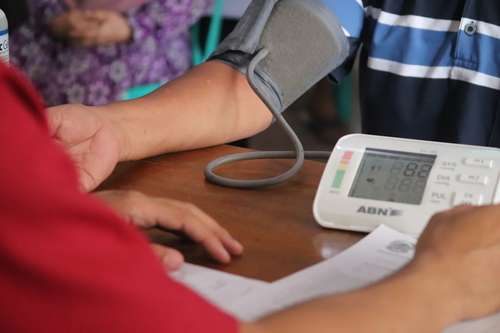
- Monitor at Home: Regular self-monitoring of blood pressure between visits can catch spikes that occur outside the doctor's office (masked hypertension).
- Lifestyle Factors: While systemic issues drive risk, managing stress, reducing sodium intake, and maintaining physical activity (as approved by a doctor) remain powerful tools for heart health.
The 1 in 7 statistic is a wake-up call. As the U.S. continues to grapple with rising maternal mortality rates, this disaggregated data provides a roadmap to saving lives—proving that precision in healthcare is not just a luxury, but a necessity.