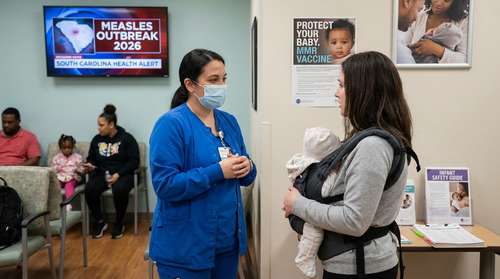
The United States is currently weathering a severe public health storm. The 2026 measles outbreak has officially escalated into the worst crisis of its kind in 35 years, with the Centers for Disease Control and Prevention reporting a staggering 1,741 cases as of early April. While public health officials scramble to contain the spread across 33 jurisdictions, one demographic remains uniquely vulnerable: babies under twelve months old. Often described by pediatricians as sitting ducks, these infants are simply too young for the standard immunization schedule, leaving parents desperate for strategies to keep them safe from a highly contagious threat.
How the 2026 Measles Outbreak Became a National Emergency
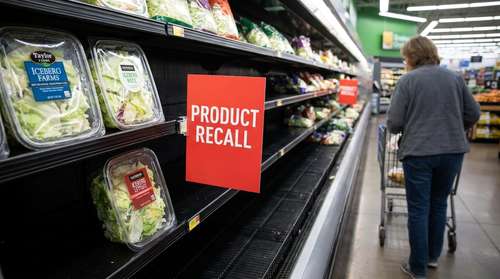
The sheer velocity of the virus this year is alarming. Putting things into perspective, the first quarter of the year alone saw more infections than the entirety of several past decades combined. The crisis initially exploded in the Southeast, prompting urgent South Carolina health alerts after an outbreak in the Upstate region swelled to nearly 1,000 cases. State health officials frequently had to update lists of active measles exposure locations, which included highly trafficked public spaces like local grocery stores, restaurants, and mobile retail shops.
More recently, the epicenter has shifted westward. Utah is currently battling the most active clusters in the country, logging roughly 580 confirmed cases that are increasingly spreading through university campuses and surrounding communities. For families with newborns, navigating these regional hotspots feels like walking a tightrope. Measles is one of the most contagious airborne viruses on the planet; it can linger in the air of an enclosed room for up to two hours after an infected person has left.
Identifying Measles Symptoms in Infants
Early detection is critical, but the initial signs of the virus often masquerade as a severe winter cold. Measles symptoms in infants typically begin with a high fever that can spike dangerously fast, accompanied by a triad of trademark respiratory signs: a persistent dry cough, a deeply runny nose (coryza), and red, watery eyes (conjunctivitis).
Two to three days after the fever starts, tiny white spots known as Koplik spots may appear inside the baby's mouth. The infamous, flat red rash usually breaks out three to five days after the initial symptoms. It almost always starts at the hairline and moves downward to cover the infant's entire body. Because babies have developing immune systems, they are at a uniquely high risk for severe complications, including pneumonia and encephalitis. If you notice any of these signs, particularly if you live near identified measles exposure locations, call your pediatrician immediately. Never show up unannounced at a clinic waiting room, as you risk exposing other vulnerable patients.
The MMR Vaccine Early Dose Strategy
Standard pediatric guidelines recommend the first dose of the measles, mumps, and rubella (MMR) vaccine at 12 to 15 months of age. However, the severity of the 2026 measles outbreak has forced many healthcare providers to pivot their protective strategies. The CDC allows for an MMR vaccine early dose for infants between 6 and 11 months old who are traveling internationally or living in active, heavily impacted outbreak zones.
In regions currently under strict health advisories—such as Spartanburg County during the peak of the South Carolina health alerts—local health departments aggressively administered nearly 1,200 early doses of MMR to infants aged 6 to 11 months in January alone to establish a baseline defense. You must consult your child's pediatrician to see if local community transmission rates warrant this proactive measure. Be aware that babies who receive an early shot will still need their two standard doses after turning one to ensure permanent, long-term immunity.
Proactive Steps for Protecting Babies from Measles
Building an Immunity Cocoon
Beyond an early shot, protecting babies from measles requires building a literal wall of immunity around them—a clinical practice known as cocooning. Every single adult and older child who comes into contact with your infant must be fully vaccinated. This rule applies to grandparents, nannies, babysitters, and extended relatives. If a caregiver cannot confirm their vaccination status, they should consult a doctor for a titer test or a booster shot.
Navigating Childcare Risks
With the shifting landscape of daycare vaccine laws 2026, childcare centers are under intense public scrutiny. Several state legislatures are currently evaluating non-medical exemptions to prevent school-based outbreaks from spilling over into infant nurseries. When selecting or evaluating a daycare facility, parents must ask administrators direct questions about staff vaccination rates and the exact percentage of enrolled children who hold exemptions. A drop in community herd immunity below 95% creates a prime environment for the virus to spread rapidly.
Ultimately, protecting babies from measles also means making tough choices about social outings. Until the 2026 measles outbreak is officially contained, public health experts advise parents of unimmunized infants to avoid crowded, poorly ventilated indoor spaces in states experiencing high community transmission. Prioritize outdoor gatherings and remain highly vigilant of your local public health department advisories.