For decades, January has been synonymous with deprivation—green juice cleanses, 1,200-calorie limits, and the frantic pursuit of a smaller number on the scale. But as we settle into 2026, a seismic shift is occurring in the wellness world. The era of the "crash diet" is officially over. In its place, a more sophisticated, science-backed paradigm has emerged: Metabolic Stability.
This year, the most successful health resolutions aren't about shrinking your body; they are about stabilizing it. From "hormone-aware eating" to the rise of "fibermaxxing," the defining nutrition trends of 2026 prioritize internal physiology over external aesthetics. Experts are calling it the "Recovery Era" of nutrition—a move away from the stress of restriction toward food that supports the gut-brain axis, balances blood sugar, and signals safety to our nervous systems.
The Rise of Metabolic Stability: Why It’s Replacing Weight Loss
If 2024 was the year of Ozempic curiosity, 2026 is the year of mimicking its effects through food—without the prescription. Metabolic stability is the new gold standard, focusing on keeping blood sugar (glucose) levels within a healthy, narrow range throughout the day. Unlike the rollercoaster of sugar spikes and crashes that defined the low-fat eras of the past, metabolic stability aims for a flat line.
"We are seeing a massive consumer shift away from 'calories out' toward 'glucose stable,'" explains Dr. Elena Rostova, a leading metabolic researcher. "People have realized that stable blood sugar is the secret weapon for sustained energy, mental clarity, and naturally regulated appetite." By prioritizing protein-forward breakfasts and savory snacking, 2026 dieters are finding that weight management becomes a side effect of health, rather than a forced battle.
"Fibermaxxing": The New Protein
For the last five years, protein was the undisputed king of macros. While it remains crucial, 2026 has crowned a new royalty: Fiber. Social media platforms are currently flooded with the term "fibermaxxing," referring to the strategic intake of diverse plant fibers to feed the gut microbiome.
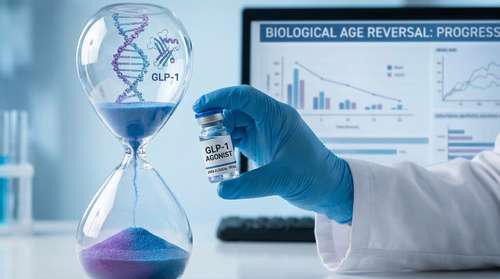
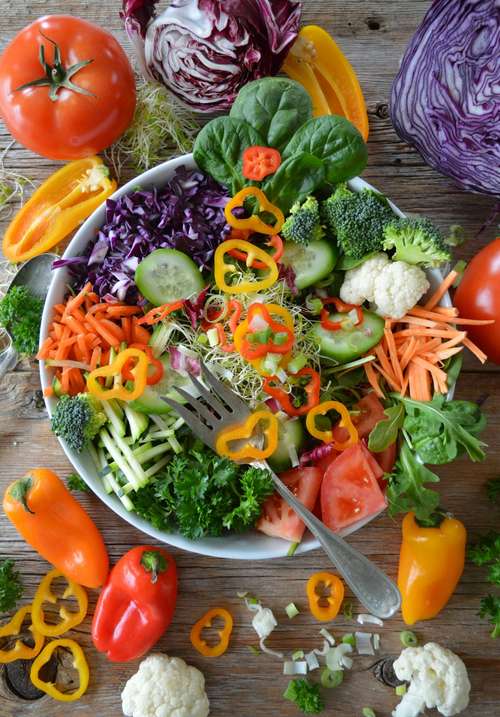
This isn't just about digestion. We now understand that specific soluble fibers can naturally stimulate the release of GLP-1 (glucagon-like peptide-1), the very same hormone targeted by weight-loss drugs. Eating patterns rich in legumes, chia seeds, and prebiotic vegetables are being touted as "nature's Ozempic," offering a sustainable way to increase satiety and curb cravings without pharmaceutical intervention. Expect to see "high-fiber" claims replacing "high-protein" on packaging this year.
Hormone-Aware Eating Takes Center Stage
Another dominant thread in 2026 nutrition is the widespread adoption of Hormone-Aware Eating. This approach goes beyond the reproductive cycle to include our stress hormones, specifically cortisol. Modern life remains high-stress, and improved literacy around the endocrine system has taught us that fasting for 16 hours or cutting carbohydrates entirely can backfire by spiking cortisol.
The 2026 approach involves:
- Cortisol-Conscious Breakfasts: Eating within an hour of waking to lower stress hormones.
- Cycle-Syncing (Mainstreamed): Adjusting macronutrients based on menstrual phases—more complex carbs during the luteal phase, more fresh fats during ovulation.
- Adrenal Support: A move away from empty stimulants toward mineral-rich "adrenal cocktails" (potassium, sodium, and vitamin C) that support the body's stress response.
The Gut-Brain Axis & "Psychonutrition"
We've known the gut and brain are connected, but 2026 is the year we are eating explicitly for our minds. "Psychonutrition" has entered the chat. With mental health crises continuing to challenge populations globally, food is being prescribed as a first-line defense against anxiety and brain fog.
The focus is on fermented foods—kimchi, kefir, and sauerkraut—not just for bloating, but for their ability to produce neurotransmitters like serotonin and dopamine in the gut. This "recovery-based eating" treats food as a tool for cognitive repair. It seeks to soothe an inflamed brain through an anti-inflammatory gut, prioritizing omega-3 rich foods like sardines and walnuts alongside probiotic staples.
Sustainable Resolutions: Boring is Better
Perhaps the most refreshing trend of 2026 is the embrace of simplicity. After years of complicated biohacking protocols and expensive supplement stacks, the pendulum is swinging back to basics. The trend is moving away from "superfoods" flown in from the Amazon and toward "foundational foods"—beans, oats, root vegetables, and local proteins.
This return to simplicity is a direct response to decision fatigue. "Boring" consistency—eating similar, nutrient-dense meals at regular times—is being celebrated as the ultimate hack for metabolic stability. It turns out that the most revolutionary act in 2026 isn't a radical detox; it's simply eating a balanced dinner, every single night.